Designing for PMF: How We Help 0-1 B2C Startups Reach Product-Market Fit with Design
Design plays a central role in helping early-stage B2C startups find product-market fit. It shapes how people experience a product, form trust with it, understand its value, and decide to come back. At Tequity, we work with startups in the zero to one stage to build products that feel natural to use and valuable enough to return to. Our approach is built on structure, user signals, and a deep understanding of early behaviour.
This article outlines how we use product design to help founders reach product-market fit in a way that is both rigorous and adaptable.
Where most B2C products struggle early on
In our work with early-stage founders, we often notice a few patterns. These are not mistakes. They are just signs that the product is still in motion.
We see founders treat design as a set of screens. We see a rush to ship an MVP, with the hope that feedback will reveal the right path. We also see products that copy successful interfaces without knowing whether those patterns serve their own audience.
Retention often becomes a list of tactics. Push notifications, badges, and gamified flows appear before the core value has been proven. And user feedback feels vague or scattered, because there is no structure behind what is being tested.
We start by slowing this down and building a strong foundation. That begins with context.
Understanding the product through a workshop
Our first step is always a structured UX workshop. This helps us understand the founder’s vision, the problem space, the user group, competitors, early learnings, and visual preferences. We also look at any prototypes, decks, or data the team has already collected.
The goal is not just to design well. It is to understand how the product fits into people’s lives, what behavior we expect to see, and what the product is trying to prove.
Defining product hypotheses with the team
After the workshop, we work with the founder and core team to define the early product hypotheses. These are structured statements about what we believe the user will do, feel, or achieve through the product.
We focus on things like:
- Whether users will complete onboarding without assistance
- Whether they will come back after one day or one week
- Whether they will share the product with someone else
- Whether they describe the product in a way that aligns with the core value
These hypotheses are testable through design. We identify the riskiest ones first and build prototypes that can help validate them. This creates a strong foundation for design work that follows.
Designing the journey, step by step
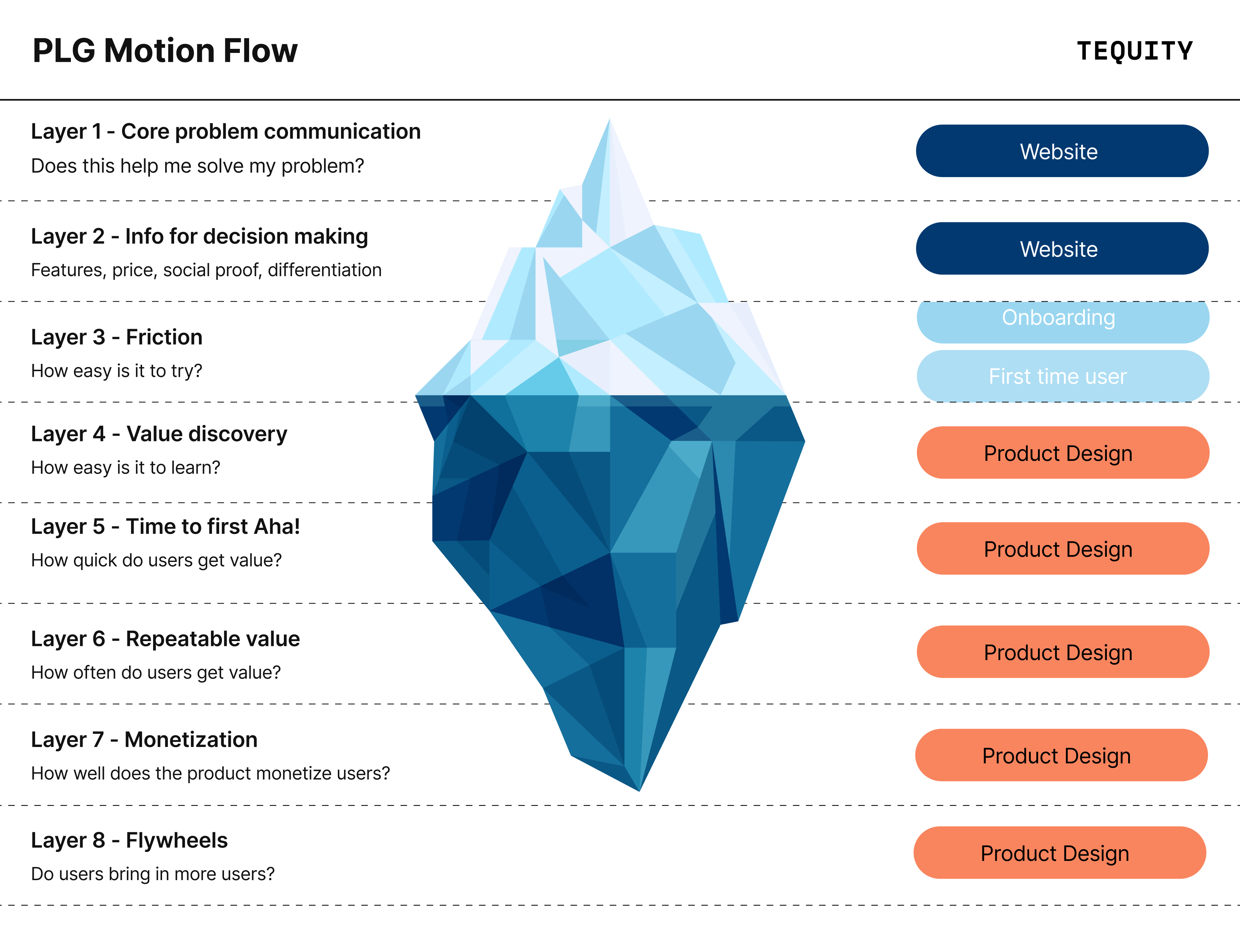
We approach design through the lens of the full product journey. In consumer products, the user experience begins before someone signs up. It includes the first touchpoint, the early decisions, and the emotional response they feel.
Here is how we typically structure it:
- Website – This is the first place where most users form their understanding of the product. We design this to reflect the value proposition clearly and to build enough trust for someone to take the next step.
- Sign-up flow – This part of the journey should feel easy, reliable, and clean. Users should not feel confused or unsure about what is being asked of them.
- Onboarding – This is where people decide whether the product feels useful. We remove unnecessary steps and focus on surfacing a clear moment of value.
- Core action or transaction – Whether someone is booking a session, writing an entry, making a post, or joining a group, this part of the journey needs to feel simple and rewarding.
- Retention loop – Once the product has shown its value, we add just enough friction to bring people back without overwhelming them. This includes nudges, light reminders, and the sense of progress over time.
We call this structure our PMF mindset. It ensures that we design with intention at every step, from curiosity to commitment.
Testing with limited usage and early signals
Most zero to one products do not have large user volumes. This means we rely heavily on qualitative signals to shape the design direction.
We test early ideas through clickable prototypes. We conduct short interviews with users from the target group. We watch how they move through the flows, where they hesitate, what they say out loud, and how they describe their experience.
We also look for signals that feel strong even in small numbers. This includes:
- Whether someone finishes a flow and asks when the product will be live
- Whether they describe it to a friend or suggest someone else who needs it
- Whether they express relief, delight, or a sense of being understood
These emotional and behavioral cues help us refine the experience long before the numbers become statistically useful.
What success looks like for us and our clients
We do not treat launch as the finish line. We continue to design, test, and refine the product until we start to see signs that the product is working on its own.
This looks like:
- Users coming back without being reminded
- People sharing the product without being asked
- Testimonials or support messages that reflect the real value
- A steady flow of feedback that is clear and aligned with the intended use
At that point, we know the product is ready to scale. The team has something real. Our goal is to hand over a system that works - a product that shows its own value, and a design that supports its growth.
If you're building a B2C product and want to reach product-market fit faster, more clearly, and with less rework, we're here to help. We design products that feel obvious to use and meaningful to keep. Reach out to us at Tequity if you’d like to start that journey.